Training
Personal Training vs Going to the Gym Alone: Which Is Right for You?
An honest comparison of training solo and working with a coach — covering results, cost, confidence and when each makes sense.
Free · No obligationReply in 1 working day
Get your free quote
Tell us your goal and we'll recommend the right coaching option and price for you.
Key takeaways
- Training alone is cheaper and flexible, and works well if you already know what to do and stay consistent.
- Personal training adds structure, technique coaching and accountability — the three things most people struggle with on their own.
- It isn't all-or-nothing. Hybrid and online coaching give you expert programming at a lower cost.
- The best choice is the one you'll stick with long enough to see results.
The real question isn't "trainer or no trainer"
Plenty of people get fit, strong and healthy training on their own. Plenty of others pay for a gym membership for months, go a handful of times and quietly cancel. The difference between those two groups is rarely willpower. It's usually down to three things: knowing what to do, doing it well and doing it consistently.
So rather than asking whether personal training is "better", it's more useful to ask which of those three things you already have — and which you need help with. This article gives you an honest comparison so you can decide for yourself.
Training at the gym alone: the pros and cons
The advantages
- Cost. A gym membership in Newcastle is far cheaper than regular personal training sessions.
- Total flexibility. Train whenever you like, for as long as you like, with no bookings to plan around.
- Independence. Learning to train yourself is a valuable life skill, and many people enjoy the headspace of a solo session.
The drawbacks
- No plan, slow progress. Without a structured programme, many people repeat the same workouts for months and wonder why nothing changes.
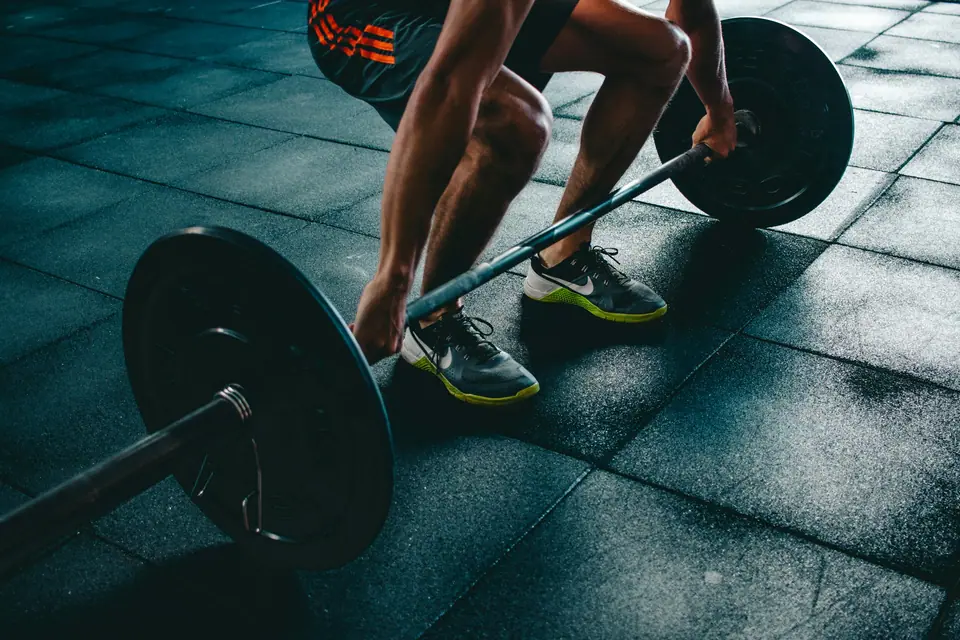
- Technique blind spots. It's very hard to see your own squat or deadlift. Small faults can limit progress and increase the risk of aches and niggles.
- Information overload. Social media is full of conflicting advice. Programme-hopping is one of the most common reasons people stall.
- Easy to skip. Nobody notices if you miss a week — and one missed week easily becomes three.
- Gym confidence. For beginners, simply walking into a busy free-weights area can feel intimidating.
Working with a personal trainer: the pros and cons
The advantages
- A plan built for you. Your programme reflects your goal, your history, any injuries and the time you actually have.
- Expert technique coaching. Real-time feedback helps you move better, lift more and train safely.
- Accountability. A booked session with someone expecting you is one of the most effective consistency tools there is.
- Progression that makes sense. A good coach knows when to push, when to hold back and how to get you past plateaus.
- Joined-up support. Many trainers also help with nutrition, sleep and daily habits — the factors that make or break results.
The drawbacks
- Cost. Regular one-to-one sessions are a significant investment. Our guide to personal trainer costs in Newcastle covers typical prices.
- Scheduling. You'll need to book sessions around your trainer's availability.
- Quality varies. Not every trainer offers the same level of expertise or support, so choose carefully.
Side-by-side comparison
| Factor | Training alone | Personal training |
|---|---|---|
| Monthly cost | Gym membership only | Membership plus coaching fees |
| Programme | Self-written or generic | Personalised and progressive |
| Technique feedback | Mirrors and videos | Live, expert coaching |
| Accountability | Self-driven | Booked sessions and check-ins |
| Flexibility | Train any time | Scheduled sessions (plus solo days) |
| Nutrition support | Do your own research | Often included or available |
| Best suited to | Experienced, self-motivated trainees | Beginners, specific goals, anyone who's stalled |
When going it alone works well
Training alone can be a great option if most of these sound like you:
- You've trained consistently for a year or more and enjoy it.
- You're confident with the main lifts and know how to progress them.
- You follow a structured programme rather than making it up as you go.
- You're still making steady progress towards your goal.
- You rarely miss sessions, even in busy or stressful weeks.
If that's you, brilliant — keep going. You might still benefit from an occasional technique check or programme review, but you don't necessarily need weekly sessions.
Not sure which camp you're in?
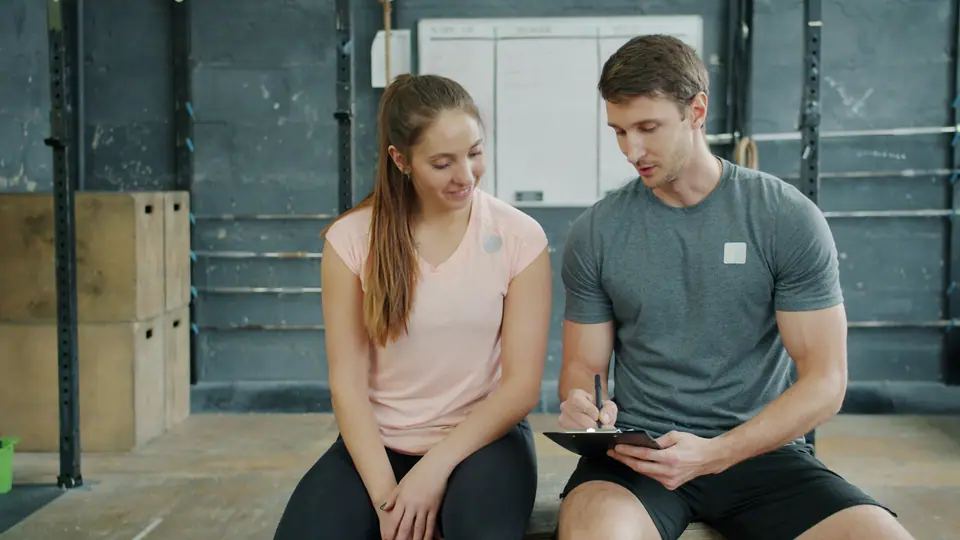
Our free consultation is a no-pressure way to find out. We'll look at where you are now and give you an honest recommendation — even if that's "you're doing great on your own".
Book a Free ConsultationWhen a personal trainer makes the biggest difference
Coaching tends to have the greatest impact in these situations:
- You're a beginner. Learning the fundamentals properly from day one saves months of trial and error. Our Beginner Fitness Programme is built for exactly this.
- You've stopped progressing. If your strength, physique or fitness hasn't changed in months, an outside eye can usually spot why.
- You have a specific goal or deadline. A wedding, a holiday, a sporting season or a physically demanding job — structure matters more when time is limited.
- You struggle with consistency. If you've joined and quit the gym more than once, accountability is likely the missing piece.
- You're returning from a break or managing old injuries. A careful, progressive return reduces the risk of setbacks. Always follow medical advice for any current injury.
- You want to lose weight sustainably. Combining training with realistic nutrition habits is where coaching shines — see our Weight Loss Programme.
The aim of good personal training isn't to make you dependent on a trainer forever. It's to teach you how to train well, build habits that last and give you the confidence to keep progressing — with or without us.
The middle ground: hybrid and online coaching
Many people assume the choice is between expensive weekly sessions and going it completely alone. In reality, there are excellent options in between:
Online coaching
With online coaching, you receive a personalised programme, video technique feedback and regular check-ins, but train on your own schedule at your own gym. It's ideal if you're reasonably confident in the gym but want expert programming and accountability, and it costs considerably less than frequent in-person sessions.
Hybrid coaching
Hybrid coaching combines occasional in-person sessions — to learn and refine technique — with a programme and online support for the rest of the week. For many people in Newcastle, this offers the best balance of expert input, independence and cost.
Front-loaded coaching
Another smart approach is to have more coached sessions at the start while you learn the basics, then gradually reduce them as your confidence grows.
What a good first month with a trainer looks like
If you do decide to try personal training, it helps to know what "good" looks like, so you can judge whether you're getting value. In the first four weeks with a quality coach, you should expect:
- A thorough start. Questions about your goals, training history, injuries, lifestyle and preferences — followed by a movement assessment rather than an immediate punishing workout.
- Clear priorities. You should understand what you're focusing on first and why, whether that's learning to squat and hinge, building a walking habit or tidying up your nutrition.
- Visible progression. Weights, reps or technique should improve week to week, and your coach should be recording it.
- Support between sessions. A programme for solo days, a check-in message or simple nutrition targets — something that keeps momentum going when you're not together.
- Honest feedback. A good coach will tell you what's working and what isn't, kindly but clearly.
If, after a month, you still don't know what you're working towards or how you're progressing, that's a sign to ask questions — or look elsewhere.
How to decide what's right for you
Ask yourself three honest questions:
- Do I know exactly what to do in the gym to reach my goal?
- Am I confident my technique is safe and effective?
- Have I been consistent for the past three months?
If you answered "yes" to all three, training alone is probably working for you. If you answered "no" to one or more, some level of coaching — in person, online or a mix — is likely to speed up your progress and make it more enjoyable.
If you're curious what personal training in Newcastle with us looks like in practice, take a look at how our sessions are structured, or book a free consultation and ask us anything.
Frequently asked questions
Can you get results without a personal trainer?
Yes. Many people make excellent progress training alone, especially if they follow a structured programme, use good technique and train consistently. A trainer simply makes those three things easier and faster to achieve.
How long should I work with a personal trainer?
There's no fixed rule. Some people work with a coach for a few months to learn the fundamentals and build habits; others keep coaching long-term for accountability and continued progress. A good trainer will help you become more independent over time.
Is online coaching as good as in-person personal training?
It depends on you. Online coaching works very well for people who are already confident with the main exercises and want expert programming and accountability. Beginners usually benefit from at least some in-person coaching to learn technique.